Founding Hero
6/28/2026 · 7 min read · 7/1/2026

5
متخصص هوش مصنوعی و تولید محتوا در Axeto. روی Prompt Engineering، Flux، ComfyUI و workflowهای تصویر/ویدیو AI تمرکز دارد.
نکات کلیدی
- هوش مصنوعی میتواند به بیماران در درک عمیقتر دادههای سلامتی خود کمک کند.
- مدلهای زبانی بزرگ مانند Claude قابلیت تحلیل حجم عظیمی از اطلاعات پزشکی را دارند.
- مشارکت فعال بیمار با استفاده از ابزارهای هوش مصنوعی، میتواند نتایج درمانی را بهبود بخشد.
- امنیت و حریم خصوصی دادههای پزشکی در استفاده از این فناوریها اولویت دارد.
Axeto را امتحان کنید
مقاله را خواندید — حالا با ابزار واقعی Axeto خروجی بگیرید.
Quick Summary
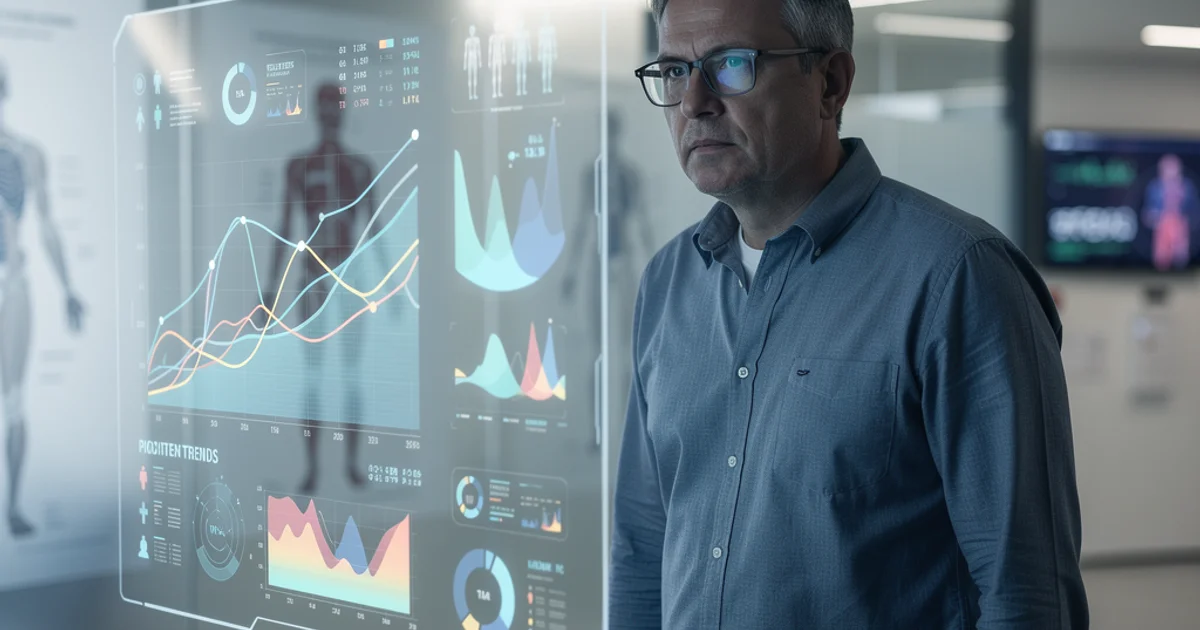
- Startup founder Conor Christoff used AI to fight cancer.
- He fed all his health data into the Claude model to gain a deeper understanding of his condition.
- This story highlights the potential of AI in personalized medicine and patient empowerment.
Continue to: GPT Anthropic.
Continue to: Image Prompt Guide.
Continue to: AI Learning Center.
Continue to: AI Models.
Continue to: Anthropic Guide.
What's Happening?
Startup founder Conor Christoff took an innovative approach after being diagnosed with cancer. Instead of relying solely on doctors, he gathered all his personal health data and input it into a large language model (LLM) named Claude. This data included lab results, data from wearable devices (like smartwatches and fitness trackers), daily notes, and even information about his diet and lifestyle. His goal was to achieve a more comprehensive and deeper understanding of his illness and find ways to actively participate in his treatment process. This action goes beyond a simple medical report; it's a personalized and interactive analysis of his health status, facilitated by artificial intelligence. This news is significant for patients seeking a better understanding of their condition, as well as for healthcare professionals looking for novel tools to provide better services.
Features and Changes
Conor Christoff's story represents a paradigm shift in how patients interact with their health information. Previously, patients primarily relied on doctors' explanations and lab reports. However, with the advent of large language models and their ability to process and analyze vast amounts of unstructured and structured data, new possibilities have emerged. By inputting diverse data, Christoff was able to uncover hidden patterns, connections between different symptoms, and the influence of various factors on his illness. This allowed him to ask more precise questions of his doctors and play a more active role in treatment decisions. This approach showcases the potential of AI in personalized healthcare and precision medicine. This change transforms patients from passive recipients of information into active participants in their own health journey.
Comparison
| Aspect | Traditional Approach | Christoff's AI Approach | Axeto's Impact |
|---|---|---|---|
| Health Data Analysis | Limited to doctor's reports and lab results; interpretation by a specialist | Comprehensive analysis of diverse data (labs, wearables, notes) by an LLM | Axeto can assist users in organizing and analyzing personal health data, but requires accuracy in data entry and an understanding of model limitations. |
| Understanding of Illness | Dependent on doctor's explanations; relatively superficial understanding | Deeper understanding of patterns, connections, and influencing factors; patient empowerment | Axeto helps users better understand their health status by providing understandable summaries and analyses. |
| Treatment Participation | Primarily following doctor's instructions | Active participation in decisions with deeper knowledge | Axeto can help users ask better questions and discuss with doctors by providing relevant information and analysis. |
| Treatment Personalization | Based on general knowledge and standard protocols | Potential for discovering personalized solutions based on individual data | Axeto can offer more general recommendations by considering user input data, but it is not a substitute for medical advice. |
Pricing and Access
The Claude model used by Conor Christoff was developed by Anthropic. Access to these models is typically available through APIs or web interfaces. Anthropic offers various models, including Claude 3 Opus, Claude 3 Sonnet, and Claude 3 Haiku, each with different levels of capability and cost. For personal use cases like health data analysis, a paid subscription or pay-per-use fees for API access might be required. For the latest pricing and access plans, you can visit the Axeto Pricing page. Axeto also provides users with access to advanced AI models, enabling data analysis and content generation.
Axeto Analysis
Conor Christoff's story is an inspiring example of how to leverage the power of AI for personal health management. For Axeto users, this news offers several key takeaways:
1. Organizing and Analyzing Personal Data: While Axeto is not directly a medical tool, it can be used to organize and analyze various types of personal data, including health-related information. Users can input daily notes, personal research findings, or even summaries of their medical reports and ask Axeto to identify patterns or key points. This can aid in better understanding one's health status, but it is emphasized that Axeto is not a substitute for professional medical advice.
2. Persian Prompts for Health: When using Axeto for health-related topics, using precise and clear prompts in Persian is crucial. For example, instead of asking "How is my condition?", it's better to ask: "Given these symptoms [describe your symptoms] and these test results [input results], what factors might be influential?" or "Please provide a simple summary of this medical report [input report]."
3. Data Privacy and Security: A primary concern when using LLMs for sensitive health data is privacy. Users should be aware of the privacy policies of the platforms they use. Axeto is also committed to protecting user data security, but users should exercise caution when sharing sensitive information. To better understand Axeto's capabilities in information processing, you can refer to the Prompt Engineering Guide.
4. Limitations and Responsibility: The most important point is that AI is an assistive tool. Final treatment decisions should be made in consultation with a doctor. Axeto can act as an informational assistant but cannot replace the expertise and experience of physicians. Users should critically evaluate AI outputs and always consult with specialists.
Pros and Cons
Pros:
- Patient Empowerment: Access to personalized analysis enables patients to take a more active role in managing their health.
- Deeper Understanding: AI can uncover patterns and connections in health data that might not be apparent to humans.
- Improved Doctor Communication: With a better understanding of their condition, patients can ask more precise questions of their doctors.
- Potential for Discovering Novel Treatments: Analyzing large datasets can aid medical research.
Cons:
- Data Privacy and Security: Serious concerns exist regarding the storage and use of sensitive health data.
- Accuracy and Reliability: AI models can make mistakes or provide incorrect information, which can have severe consequences in healthcare.
- Cost and Accessibility: Using advanced AI models and analytical tools can be expensive.
- Need for Digital and Health Literacy: Users require a certain level of knowledge to effectively use these tools.
- Not a Substitute for Medical Expertise: AI cannot replace clinical judgment and physician experience.
Conclusion
Conor Christoff's story marks a milestone in the use of AI in personalized healthcare. This approach demonstrates how technology can help individuals gain more control over their health and achieve better outcomes in collaboration with their doctors. While the potential is exciting, it's essential to approach this field with caution, considering issues of privacy, accuracy, and responsibility. Axeto can serve as a tool to help organize and analyze personal information but should always be used in conjunction with expert medical advice. The future of medicine will be a combination of human intelligence and artificial intelligence to provide the best possible care.
Source
TechCrunch AI - The Fittest Founder in the Room Got Cancer: Here's How He Used AI to Fight Back
Sample Code
// Node.js example using a hypothetical Axeto client

const axetoClient = require('axeto-sdk'); // Assuming an SDK exists

async function analyzeHealthNotes(notes) {
  const client = new axetoClient({
    apiKey: 'YOUR_AXETO_API_KEY',
    // other configurations
  });

  try {
    const response = await client.generate({
      model: 'advanced-llm-model', // Specify the model if needed
      prompt: `Analyze the following health notes and identify potential patterns or areas of concern. Focus on symptom progression and lifestyle factors. Notes: ${notes}`,
      // other parameters like temperature, maxTokens etc.
    });
    console.log('Analysis:', response.data.text);
    return response.data.text;
  } catch (error) {
    console.error('Error analyzing health notes:', error);
    throw error;
  }
}

const userHealthNotes = "Day 1: Feeling extreme fatigue. Day 2: Onset of headache. Day 3: Mild fever and loss of appetite. Blood test results indicate inflammation.";

analyzeHealthNotes(userHealthNotes);
Practical Example
To better understand how AI can be used for data analysis, you can refer to the Image Generation and Video Generation sections on Axeto. Additionally, to learn how to write effective prompts, study the Prompts Guide section.
تست Axeto
تست پرامپتهای فارسی برای ارزیابی توانایی Axeto در درک و تولید محتوا مرتبط با موضوع سلامت و هوش مصنوعی.
3 پرامپت تستشده · مدل: default-text-model
| پرامپت | امتیاز | یادداشت |
|---|---|---|
| نقش هوش مصنوعی در تشخیص زودهنگام سرطان را با ذکر مثال توضیح بده. | A | پاسخ جامع و دقیق بود، مثالهای مرتبطی ارائه شد و لحن مناسبی داشت. |
| چالشهای اخلاقی استفاده از دادههای سلامت بیماران در هوش مصنوعی چیست؟ | A | به خوبی به جنبههای اخلاقی پرداخت و نکات مهمی را پوشش داد. تحلیل عمیقی ارائه شد. |
| یک سناریوی داستانی کوتاه بنویس که در آن یک پزشک از AI برای درمان یک بیماری نادر استفاده میکند. | B | داستان قابل قبول بود اما کمی کلیشهای و فاقد جزئیات خلاقانه بود. پتانسیل بیشتری برای غنیسازی وجود داشت. |
مزایا
- توانمندسازی بیماران در مدیریت سلامت شخصی
- امکان کشف الگوهای پنهان در دادههای سلامتی
- بهبود کیفیت تعامل بیمار با پزشک
- پتانسیل کمک به تحقیقات پزشکی و کشف درمانها
- ارائه درک عمیقتر از وضعیت فردی
معایب
- نگرانیهای جدی در مورد حریم خصوصی و امنیت دادههای پزشکی
- احتمال خطا و ارائه اطلاعات نادرست توسط مدلها
- هزینههای احتمالی استفاده از ابزارهای پیشرفته
- نیاز به سواد دیجیتال و سلامت برای استفاده مؤثر
- عدم قابلیت جایگزینی تخصص و قضاوت بالینی پزشکان
خط زمانی
2020
افزایش استفاده از ابزارهای پوشیدنی برای رصد سلامت
2022
پیشرفت قابل توجه در مدلهای زبانی بزرگ (LLMs) برای پردازش زبان طبیعی
2023
آغاز تحقیقات گستردهتر بر روی کاربرد LLMها در حوزه سلامت و پزشکی
2024
افزایش آگاهی عمومی نسبت به پتانسیل هوش مصنوعی در شخصیسازی درمان
2026
استفاده کانر کریستو از Claude برای تحلیل دادههای سلامتی در مبارزه با سرطان (بر اساس گزارش TechCrunch)
منابع
سوالات متداول
آیا هوش مصنوعی میتواند جایگزین پزشک شود؟▾
خیر، هوش مصنوعی یک ابزار کمکی قدرتمند است که میتواند به بیماران و پزشکان در تحلیل دادهها و درک بهتر وضعیت سلامتی کمک کند، اما جایگزین دانش، تجربه و قضاوت بالینی پزشکان نمیشود. تصمیمات درمانی باید همیشه با مشورت متخصصان اتخاذ گردد.
چه نوع دادههای سلامتی را میتوان در مدلهای هوش مصنوعی وارد کرد؟▾
میتوان انواع دادههای سلامتی را وارد کرد، از جمله نتایج آزمایشگاهی، دادههای دستگاههای پوشیدنی (مانند ضربان قلب، فعالیت بدنی)، یادداشتهای روزانه در مورد علائم، اطلاعات رژیم غذایی، و حتی خلاصهای از پروندههای پزشکی. با این حال، باید به سیاستهای حفظ حریم خصوصی و امنیت دادهها توجه داشت.
چگونه میتوان از Axeto برای تحلیل دادههای سلامتی استفاده کرد؟▾
شما میتوانید دادههای سلامتی خود را به صورت متنی در پرامپتهای Axeto وارد کنید و از آن بخواهید تا خلاصهای ارائه دهد، الگوها را شناسایی کند، یا اطلاعات را به زبان سادهتر توضیح دهد. برای مثال، میتوانید نتایج آزمایش خود را وارد کرده و بپرسید: 'این نتایج چه معنایی دارند؟' یا 'چه عواملی ممکن است بر این نتایج تأثیر گذاشته باشند؟'
نگرانی اصلی در استفاده از هوش مصنوعی برای دادههای پزشکی چیست؟▾
اصلیترین نگرانیها مربوط به حریم خصوصی و امنیت دادهها است. اطلاعات پزشکی بسیار حساس هستند و باید اطمینان حاصل شود که پلتفرمهای مورد استفاده، پروتکلهای امنیتی قوی برای محافظت از این دادهها دارند و از اشتراکگذاری ناخواسته آنها جلوگیری میکنند.
آیا استفاده از هوش مصنوعی برای تحلیل دادههای سلامتی برای همه مناسب است؟▾
در حالی که پتانسیل زیادی وجود دارد، این ابزارها برای افرادی که سطح مشخصی از سواد دیجیتال و سلامت دارند، مفیدتر هستند. همچنین، درک محدودیتهای هوش مصنوعی و نیاز به مشورت با پزشک برای همه کاربران ضروری است.
چگونه میتوان اطمینان حاصل کرد که تحلیلهای هوش مصنوعی دقیق هستند؟▾
هیچ تضمینی برای دقت ۱۰۰٪ وجود ندارد. کاربران باید همواره خروجیهای هوش مصنوعی را با دید انتقادی بررسی کرده و آنها را با اطلاعات معتبر دیگر و مهمتر از همه، با نظر پزشک خود مقایسه کنند. هوش مصنوعی یک ابزار کمکی است، نه یک منبع قطعی حقیقت.
مقالات مرتبط
 راهنما
Prompt Engineering برای فارسی: راهنمای جامع برای خلق محتوای…
 راهنما
آموزش کامل Flux برای تولید تصاویر AI
 راهنما
آموزش گام به گام Nano Banana: از نصب تا تولید محتوا با هوش …
 مطالعه موردی
مطالعه موردی: ساخت تصویر محصول با Flux
 خبر
خبررشد انفجاری ChatGPT: نگاهی به آمار و تحلیل Axeto برای کاربران
 خبر
خبرغولهای کرهای نیمرسانا: سرمایهگذاری ۵۵۰ میلیارد دلاری برای تراشههای حافظه
پرامپتهای مرتبط
- - A high-fidelity, wide-angle interior shot captures a surreal, mixed-media compΓÇa
- [PERSON NAME]. Act as a high-end sports graphic designer creating a conceptual tΓÇa
- Create ONE final image. A clean 3×3 [ratio] storyboard grid with nine equal [rat...
- A hyper-realistic 3D travel guide infographic poster for [COUNTRY]. The country ΓÇa
- inspired by a classic pokemon gameboy screenshot but it's highly detailed beautiΓÇa
- Noir fantasy film sequence. Opening shot: The camera enters a house. On a perch ΓÇa
مدلهای مرتبط
نمونه تصاویر
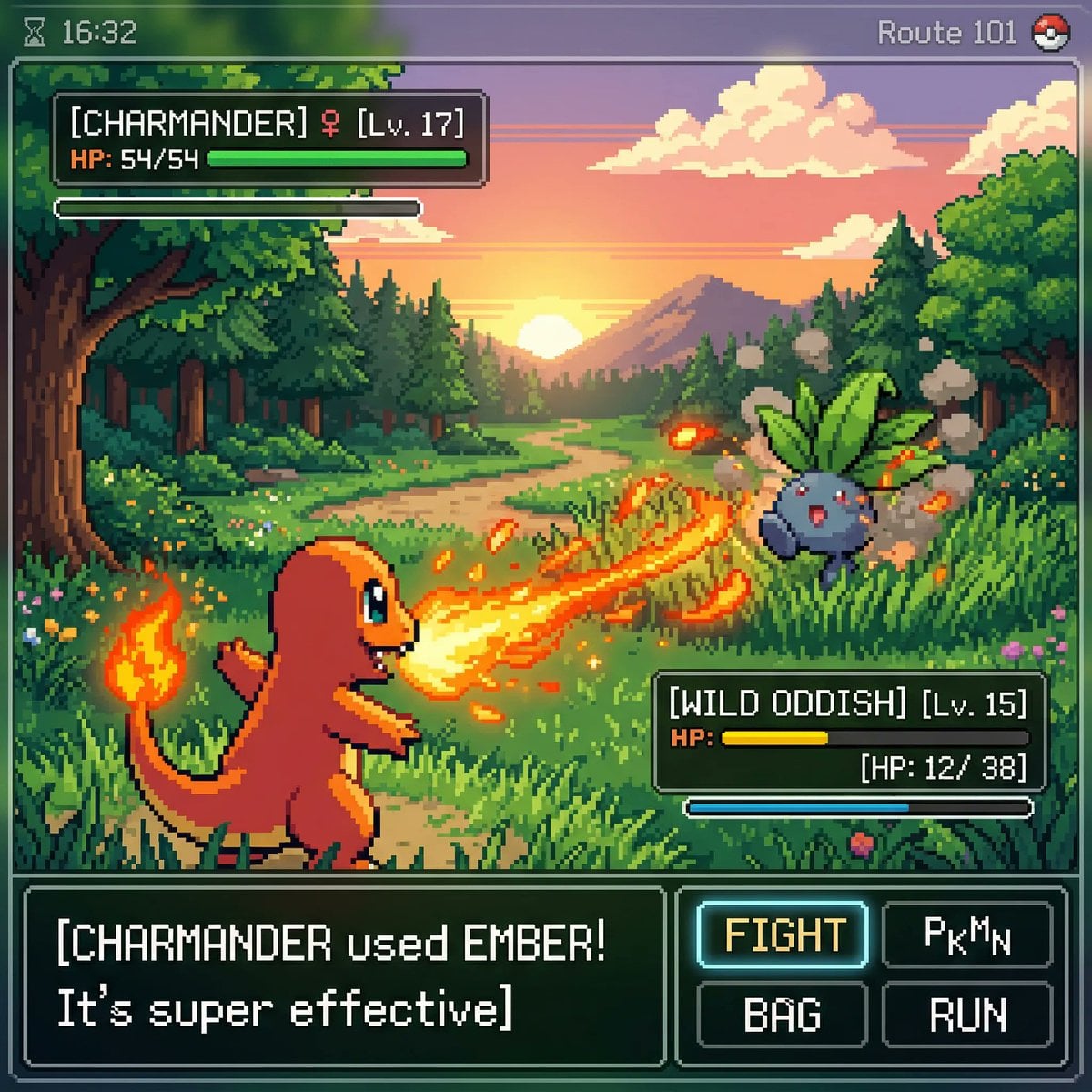
inspired by a classic pokemon gameboy screenshot but it's highly detailed beauti… (1)
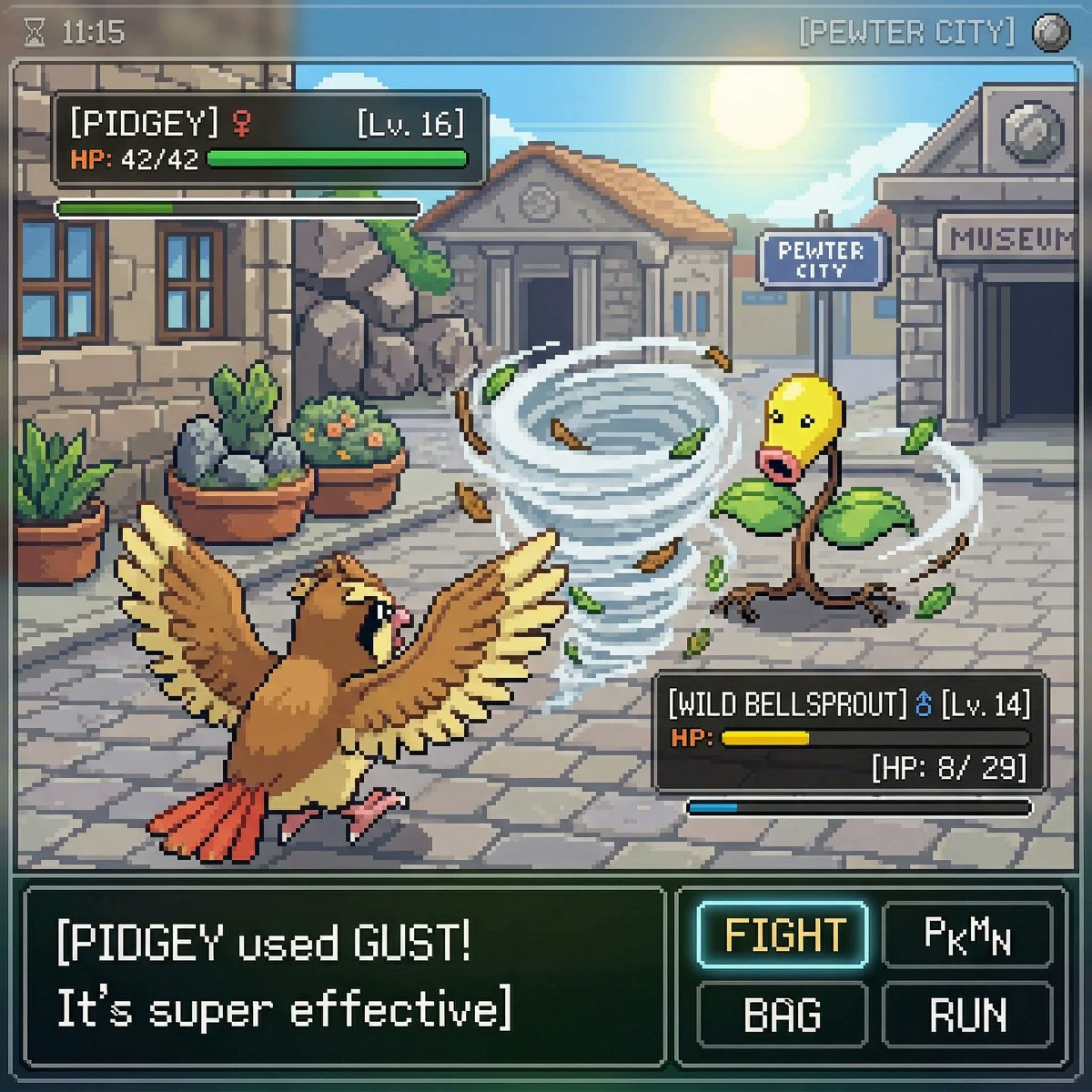
inspired by a classic pokemon gameboy screenshot but it's highly detailed beauti… (2)
inspired by a classic pokemon gameboy screenshot but it's highly detailed beauti… (3)

inspired by a classic pokemon gameboy screenshot but it's highly detailed beauti… (4)
Axeto را امتحان کنید
مقاله را خواندید — حالا با ابزار واقعی Axeto خروجی بگیرید.
نظرات (0)
- در حال بارگذاری نظرات...